
The Complete Guide to Analyzing Rental Property Cash Flow
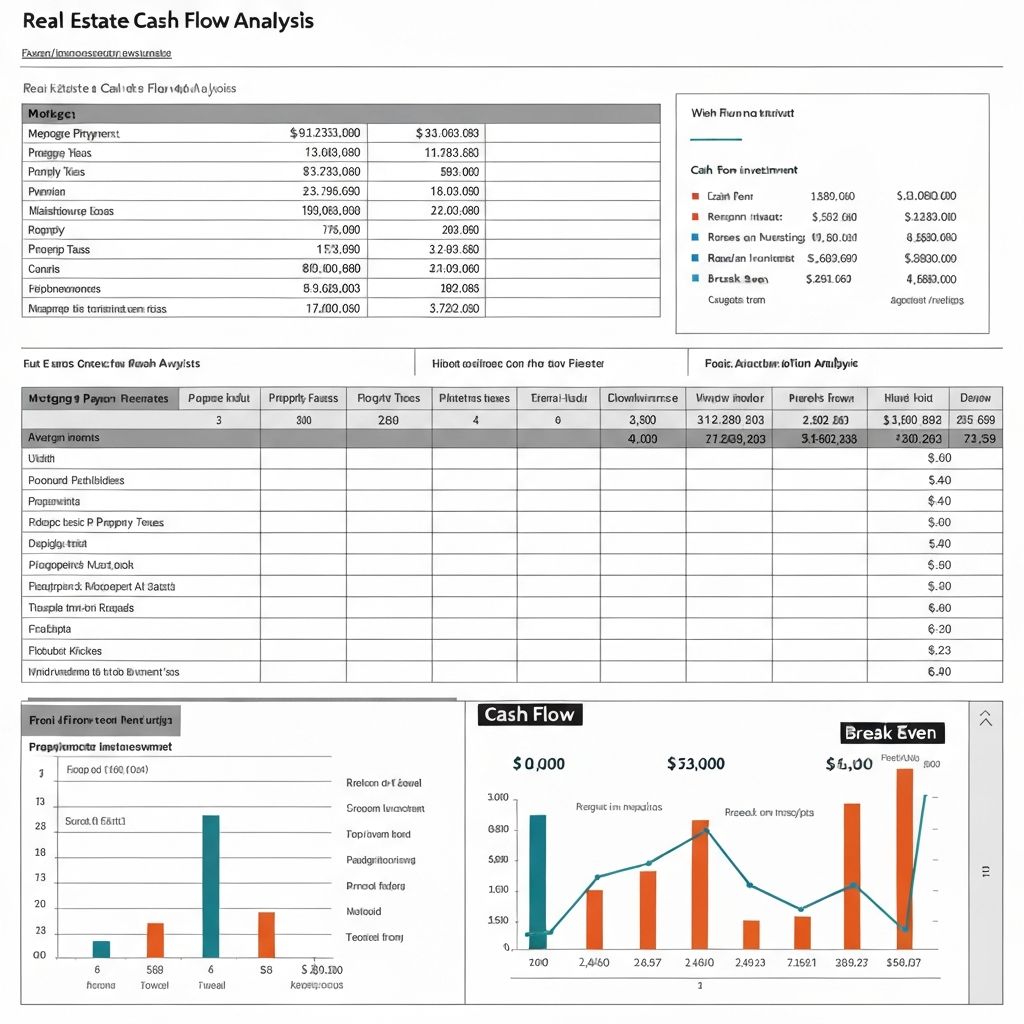
Understanding cash flow is the cornerstone of successful real estate investing. This comprehensive guide will walk you through everything you need to know to accurately analyze rental property cash flow and make informed investment decisions.
What is Cash Flow?
Cash flow is the net amount of money moving in and out of your investment property each month. Positive cash flow means your rental income exceeds your expenses, while negative cash flow means you're paying more in expenses than you're collecting in rent.
Key Components of Cash Flow Analysis
To accurately calculate cash flow, you need to understand all the income and expenses associated with your property:
1. Rental Income
Start with your gross rental income - the total amount you collect from tenants before any expenses. Be realistic and account for vacancy rates in your market, typically 5-10% annually.
2. Operating Expenses
These include property taxes, insurance, property management fees, maintenance, utilities, and HOA fees.
3. Debt Service
Your monthly mortgage payment, including principal and interest. This is often the largest single expense for leveraged properties.
4. Capital Expenditures
Set aside reserves for major repairs and replacements like roofs, HVAC systems, and appliances. A common rule of thumb is 1% of the property value annually.
The Cash Flow Formula
Here's the basic formula for calculating monthly cash flow:
Cash Flow = Gross Rental Income - Operating Expenses - Debt Service - Capital Reserves
Common Pitfalls to Avoid
Many new investors make these mistakes when analyzing cash flow:
- Underestimating maintenance costs and capital expenditures
- Forgetting to account for vacancy periods
- Using overly optimistic rent estimates
- Ignoring property management costs even if self-managing
- Not factoring in the time value of money and opportunity costs
Tools and Resources
Several excellent tools can help streamline your cash flow analysis. Check out our directory for recommendations on rental property calculators, financial analysis software, and market research platforms.
Conclusion
Mastering cash flow analysis is essential for building a successful real estate portfolio. Take the time to thoroughly analyze each potential investment, be conservative in your estimates, and always maintain healthy reserves for unexpected expenses.
Sarah Mitchell
Sarah is a real estate investor and financial analyst with over 15 years of experience. She specializes in helping new investors understand the numbers behind successful real estate deals.